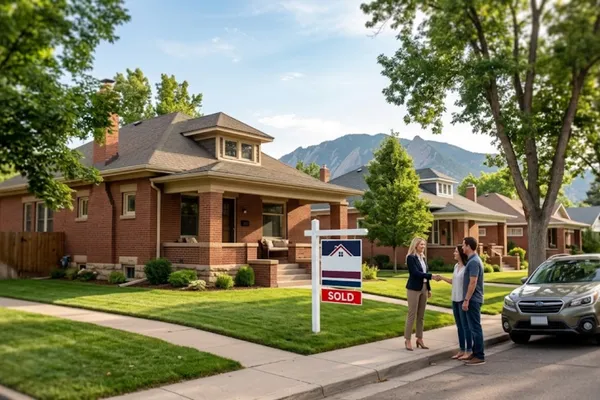
Denver Metro Real Estate Market Report: Rising Prices, Faster Sales, and the Late-Summer Shift (July 2026)
The Denver metro housing market delivered an intriguing and dynamic mix of trends this July. According to the latest comprehensive market report from REcolorado, home prices across the Front Range have continued their upward trajectory, and well-positioned properties are moving noticeably faster than they were a year ago. However, even with this competitive undercurrent, overall transaction volumes have begun to soften as we enter the traditional late-summer market transition.
Whether you are contemplating listing your property before the year concludes, or you are a prospective buyer searching for your next home in Colorado, understanding these shifting currents is vital. Below is a deep-dive breakdown of what the July 2026 numbers mean for buyers, sellers, and investors across the Denver metropolitan area.
The July 2026 Market Report Card
Before we dive into the nuances of neighborhood dynamics and seasonal shifts, let’s look at the hard data that defined the Denver real estate landscape in July 2026:
Median Closed Price:$605,000 (representing a 3% increase year-over-year)
Pace of the Market (Median Days in MLS):22 days (moving 4 days faster than in July 2025)
Active Inventory: Holding remarkably steady at approximately 15 weeks of supply
Overall Market Momentum: Closed sales dipped slightly year over year, with seasonal month-over-month pullbacks in pending sales and new listings compared to June.
1. Home Values Hold Strong at $605,000
Despite shifting macroeconomic conditions, fluctuating mortgage interest rates, and evolving buyer sentiment across the country, home equity in the Denver metro area remains incredibly resilient. The median sales price climbed to $605,000 this July, marking a steady and healthy 3% annual gain.
What is driving this price growth? Steady demand for move-in-ready homes continues to establish firm price floors across both suburban and urban neighborhoods. While the frantic, double-digit appreciation of the early 2020s has stabilized, the consistent 3% growth indicates a normalizing, yet fundamentally strong market. Buyers are still willing to pay a premium for properties that don't require extensive renovations. With construction costs and material prices remaining high, the appeal of a "turnkey" home is stronger than ever.
For homeowners who purchased before 2023, this steady appreciation means property wealth continues to accumulate. Neighborhoods in outer-ring suburbs like Highlands Ranch and Centennial, as well as core Denver areas like Washington Park and the Highlands, are seeing sustained value retention due to their robust local amenities, school districts, and accessibility.
2. Properties Are Moving Quicker Than Last Year
One of the most surprising statistics from the July 2026 REcolorado report is how quickly homes are going under contract. Properties that hit the market in July spent a median of just 22 days in the Multiple Listing Service (MLS). This is nearly a full business week (four days) faster than the same period last year.
Why are homes selling faster? It comes down to a highly educated buyer pool. Today’s buyers are armed with advanced market analytics and mobile property alerts. When a home is priced correctly from day one, buyers recognize the value immediately and act decisively. There is very little "wait and see" happening for A-list properties.
However, this metric can be slightly polarizing. The 22-day median means half of the homes sold faster than three weeks, but the other half sat longer. The divide between homes that sell in a single weekend with multiple offers and those that linger on the market for 60+ days usually comes down to two factors: price and condition. Overpriced homes or those needing significant cosmetic updates are largely being ignored by a buyer demographic already stretching their budgets to meet the $605,000 median price point.
3. Inventory Levels: The 15-Week Sweet Spot
One of the most critical health indicators of a real estate market is its inventory level, often measured in "months or weeks of supply." In July, the Denver metro area maintained an active inventory equating to about 15 weeks of supply.
To put this into perspective:
Under 12 weeks (3 months): Strongly favors the seller (Seller's Market).
16 to 24 weeks (4-6 months): A balanced market where neither party has outsized leverage.
Over 24 weeks (6+ months): Strongly favors the buyer (Buyer's Market).
At 15 weeks of supply, Denver is sitting right on the precipice of a balanced market, while still leaning just slightly in favor of sellers. This is a massive improvement for buyers compared to the hyper-competitive spring seasons of years past, where supply frequently dipped below 4 weeks.
This 15-week buffer means that while great homes still sell fast, there is enough overall inventory that buyers don't have to waive their appraisal or inspection contingencies to get a seat at the negotiating table. Buyers have options, and they are taking the time to tour multiple properties before submitting an offer.
4. The Month-Over-Month Late-Summer Cooldown
While the year-over-year data paints a picture of a brisk, appreciating market, comparing July directly to June reveals a familiar, standard seasonal pattern: the late-summer cooldown.
According to the data, closings, pending sales, and new listings all pulled back from June's much steadier pace. This shouldn't be cause for alarm; rather, it is a textbook real estate transition.
The Seasonality Factor: In Colorado, the real estate market is deeply tied to residents' lifestyles. By July, the urgent rush of the spring buying season has passed. Families are focused on back-to-school routines, taking final summer vacations to the mountains, and enjoying the outdoors. Historically, late July and August are periods where real estate takes a brief backseat to summer recreation.
This month-over-month pullback in pending sales suggests that we are transitioning into a more measured, thoughtful fall market. As new listings tick up slightly but overall buyer foot traffic decreases, we can expect to see a market that requires patience from sellers and offers unique opportunities for buyers.
5. What The July Data Means For Sellers
If you are planning to list your home in the upcoming fall market, the July data offers a very clear roadmap for success:
Strategic Pricing is Non-Negotiable: The days of aspirational pricing—listing a home 10% above neighborhood comps to "see what happens"—are over. Buyers are hyper-sensitive to value. Nailing your launch price prevents your listing from becoming stale.
Presentation and Prep: With buyers gravitating toward turnkey properties, investing in professional staging, a fresh coat of neutral paint, and basic landscaping can yield a massive return on investment. If homes are moving in a median of 22 days, you want your property to be on the winning side of that statistic.
Expect a Slower Pace: Don't panic if you don't receive an offer in the first 48 hours. With the late-summer slowdown in effect, fewer buyers are touring on the weekends. It may take two to three weeks to secure the right buyer.
6. What The July Data Means For Buyers
For buyers who felt fatigued or outpriced during the spring rush, the late summer and early fall present one of the most advantageous windows of the year:
Leverage the 15-Week Supply: With inventory holding steady, you have the luxury of choice. Take the time to explore different neighborhoods, compare property conditions, and negotiate terms.
Target "Stale" Listings: Pay close attention to homes that have crossed the 30-day mark on the MLS. Sellers of these properties may be feeling the pressure of the late-summer cooldown and could be much more amenable to price drops, seller concessions, or interest rate buydowns.
Less Competition: Because so many buyers have paused their searches for summer vacations or back-to-school preparations, you will face fewer bidding wars. This is the time to negotiate for that new roof or ask the seller to cover closing costs.
Looking Ahead to the Fall Market
As we move past July and look toward September and October, the Denver metro market is expected to stabilize further. We anticipate a slight uptick in new inventory as sellers try to close deals before the winter holidays, balanced by steady, moderate buyer demand. While we don't expect the median price to jump significantly before the end of the year, Colorado's structural housing shortage makes a major price drop highly unlikely.
In summary, the Denver real estate market remains a robust, maturing environment. Prices are up, homes are selling efficiently, and a balanced inventory is providing a fair playing ground for all parties involved.

