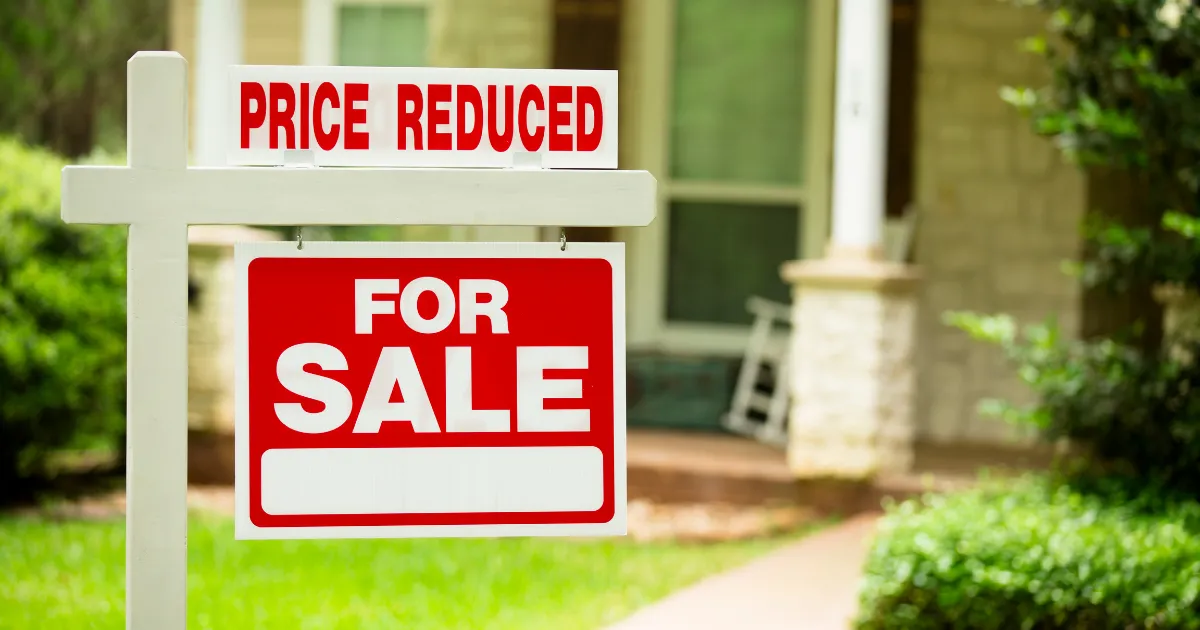
The Great 2026 Housing Reset: Why the Tide is Turning for Buyers
For the better part of a decade, the American dream of homeownership felt like it was slipping behind a digital curtain of "out of stock" notifications and "sold over asking price" signs. The post-pandemic era, characterized by record-low inventory and a frenzy of bidding wars, pushed home valuations to heights that many economists deemed unsustainable. However, as we move through 2026, the narrative has fundamentally shifted.
The housing market is no longer a monolith of runaway appreciation. Instead, it has fractured into a tale of two markets, with a growing number of major U.S. cities experiencing a significant "cooling" or "reset." Nowhere is this shift more dramatic than in the Denver metro area, which has recently claimed the title of the nation’s fastest-falling housing market.
This blog explores the data behind these shifts, the specific factors cooling the Denver market, and what this nationwide "normalization" means for buyers and sellers in 2026.
The Denver Case Study: From Hot to Cold
For fifteen years, Denver was the "golden child" of real estate appreciation. With an average annual growth rate of 7%, the Mile High City became a symbol of the Western migration boom. But today, the S&P Case-Shiller Index reveals a different reality: Denver is leading the nation in declining home values.
In February 2026, Denver home values dropped by 2.2% year-over-year. While a 2% drop might seem marginal to the casual observer, in the context of real estate—where equity is the primary driver of household wealth—it represents a massive sea change. Denver has officially surpassed pandemic-era hotspots like Tampa to become the weakest major market in the United States.
Why Denver is Leading the Decline
Several local factors have converged to create a "perfect storm" for price corrections in Colorado:
The Inventory Surge: Active listings in Denver have spiked by nearly 30% compared to the previous year. For the first time in years, buyers aren't competing against twenty other offers; they are choosing between five available homes on the same block.
The "carrying cost" Crisis: It isn't just the mortgage interest rate that is deterring buyers. Property taxes in the Denver metro area have seen significant reassessments, and homeowners insurance premiums have skyrocketed due to fire and hail risks. When you add rising HOA fees to the mix, the monthly "carrying cost" of a home has outpaced wage growth.
The Psychological Shift: Buyers have reached a "burnout" point. The urgency that defined the 2021–2024 market has evaporated. Today’s buyers are willing to wait for the right price, knowing that more inventory is likely coming.
National Trends: The "Normalization" of 2026
The cooling of the Denver market isn't an isolated incident. According to recent national housing reports, approximately one-third of major U.S. cities are seeing median sale prices fall this year. This "come-down" is most prevalent in the South and West—areas that saw the most aggressive price hikes during the pandemic "zoom town" era.
Top Cities Seeing Price Corrections
The 2026 market is seeing a reversal of fortunes for many pandemic-era darlings:
Cape Coral-Fort Myers, FL: Median prices are down nearly 9%. This is largely attributed to a massive influx of new construction hitting the market simultaneously with soaring hurricane insurance costs.
Seattle, WA: Prices have dipped 2% as the tech sector labor market stabilizes and remote work policies become more permanent.
Phoenix, AZ: Once the hottest market in the country, values have slid by 1.8% as inventory levels finally returned to pre-pandemic norms.
Austin, TX: After a period of astronomical growth, Austin is seeing a 1.5% correction as the market absorbs a surplus of high-end luxury builds.
The Return of "Seller Concessions"
One of the most telling signs of the 2026 market shift is the return of the "seller concession." In a red-hot market, sellers dictate every term. In a cooling market, they have to sweeten the deal.
Data shows that roughly 60% of home sales in softening markets now include some form of seller concession. This was almost unheard of two years ago. Common concessions include:
Interest Rate Buy-Downs: Sellers are paying thousands of dollars upfront to "buy down" the buyer's mortgage rate for the first two or three years of the loan.
Closing Cost Credits: It is becoming standard for sellers to offer $5,000 to $10,000 toward the buyer's closing costs to facilitate a faster sale.
Inspection Repairs: In 2022, buyers were waiving inspections entirely. In 2026, they are demanding—and getting—repairs for even minor deferred maintenance issues.
Understanding the "Price-to-Income" Gap
The primary driver behind the 2026 correction is a simple economic reality: the gap between home prices and household income. For years, home prices rose at double-digit percentages while wages grew at 3–5%. This created a "ceiling" of affordability.
In 2026, we are seeing the market hit that ceiling. Even with mortgage rates stabilizing around the 6.3% mark—a significant drop from the 8% peaks seen previously—homes are still out of reach for many first-time buyers at current valuations. Consequently, prices must move downward or stagnate for years to allow incomes to catch up.
The New Reality for Sellers
If you are planning to list a home in 2026, the strategy must change. The "post and pray" method of 2021—where you could list a home at a record price and expect multiple offers in 24 hours—is dead.
Key Strategies for Sellers in 2026:
Competitive Pricing from Day One: Overpricing a home in a falling market is a recipe for disaster. If you price too high, you will chase the market down, eventually selling for less than if you had priced realistically at the start.
Curb Appeal and Staging: With more inventory available, your home must stand out. Quality photography, professional staging, and minor cosmetic upgrades are no longer optional.
Flexibility on Terms: Sellers who are willing to entertain contingencies (such as the buyer needing to sell their current home first) are seeing much higher success rates than those who demand "clean" offers.
The Opportunity for Buyers
For those who have been sidelined for years, 2026 represents the most balanced market in nearly a decade. While we are not in a "housing crash," we are in a "buyer’s window."
More Time to Decide: Homes are sitting on the market for an average of 45 to 60 days in cities like Denver. This gives buyers the luxury of viewing multiple properties and sleeping on the decision before making an offer.
Increased Leverage: Buyers can now negotiate on price, repairs, and credits. This leverage effectively lowers the "entry cost" of the home, even if the mortgage rate isn't at historic lows.
Reduced Competition: The "investor class" that dominated the market during the low-rate era has largely pulled back, leaving more inventory for traditional families and first-time buyers.
Looking Ahead: Will Prices Continue to Fall?
Economists are divided on the long-term outlook, but most agree that a 2008-style "crash" is unlikely. The reason? Homeowner equity remains at an all-time high, and lending standards have been much stricter over the last decade.
Instead of a crash, we are likely looking at a "long-term flattening." Markets that were overvalued by 30% or 40% will continue to see small, incremental drops until they reach a point of equilibrium with local wages.
What to watch for in late 2026:
Federal Reserve Policy: Any further cuts to the federal funds rate could potentially reignite demand, though it is unlikely to spark another "frenzy."
Inventory Levels: If the "lock-in effect" (homeowners staying put to keep their 3% mortgage rates) finally breaks, a flood of inventory could lead to further price drops.
The Labor Market: Real estate is always tied to jobs. As long as unemployment stays low, the housing market will likely see a "soft landing" rather than a collapse.
Conclusion
The 2026 housing market is a breath of fresh air for a real estate landscape that had become dangerously overheated. While the news of "falling home values" may be concerning for some homeowners in Denver or Florida, it is a necessary correction for the health of the overall economy.
The "Great Reset" is moving us toward a market where homes are once again treated as places to live rather than speculative assets. For the savvy buyer, the current leverage and increasing inventory offer a rare opportunity to enter the market on their own terms. For the realistic seller, it’s a time to be strategic, flexible, and patient.
Whether you are in the heart of the Denver metro or in a coastal Florida city, the message is clear: the era of the seller’s monopoly is over, and a more balanced, sustainable housing future is beginning to take shape.

